DTV Visa Thailand for Remote Workers: A Practical Guide from Phuket
Who can get the DTV, what it costs, how long you can stay — and how it changes a long stay in Phuket.
Since July 2024 Thailand has offered the Destination Thailand Visa (DTV), a long-stay visa designed for remote workers, freelancers and people taking part in Thai cultural activities. For anyone planning several months in Phuket, it is often the most practical option — if you meet its eligibility rules.
The DTV in short
- Multiple-entry visa valid for 5 years.
- Stays of up to 180 days per entry, extendable once by up to 180 days at a Thai immigration office.
- Government fee of about 10,000 THB (the amount in your currency depends on the embassy).
- Proof of funds: at least 500,000 THB (or equivalent) in savings.
- Applied for online, from outside Thailand, through the official e-Visa portal.
Who can apply
The DTV covers remote workers employed by a company outside Thailand, freelancers with foreign clients, and people coming for activities such as Muay Thai, Thai cooking classes or medical treatment. A spouse and children under 20 can apply as dependents. It does not allow you to work for a Thai employer.
Documents usually requested
- Passport valid for at least six months.
- Recent bank statements showing the required savings.
- Proof of remote work: employment contract, freelance contracts or company registration, and a portfolio or client list.
- For activity-based applications: enrolment confirmation from the school or provider.
Planning a long stay in Phuket on a DTV
With up to 180 days per entry, the DTV fits naturally with a season in Phuket: arrive in November, stay through the dry season and leave in spring — or extend. Book your accommodation early for December–February, when demand peaks.
Your landlord has to report your address to immigration (the TM30 notification) — check with your host that it is done after you arrive. Bring a copy of your passport and visa page on arrival.
Also note that people who spend 180 days or more in Thailand in a calendar year can become Thai tax residents. Ask a tax adviser before a long stay.
Where to live while on a DTV
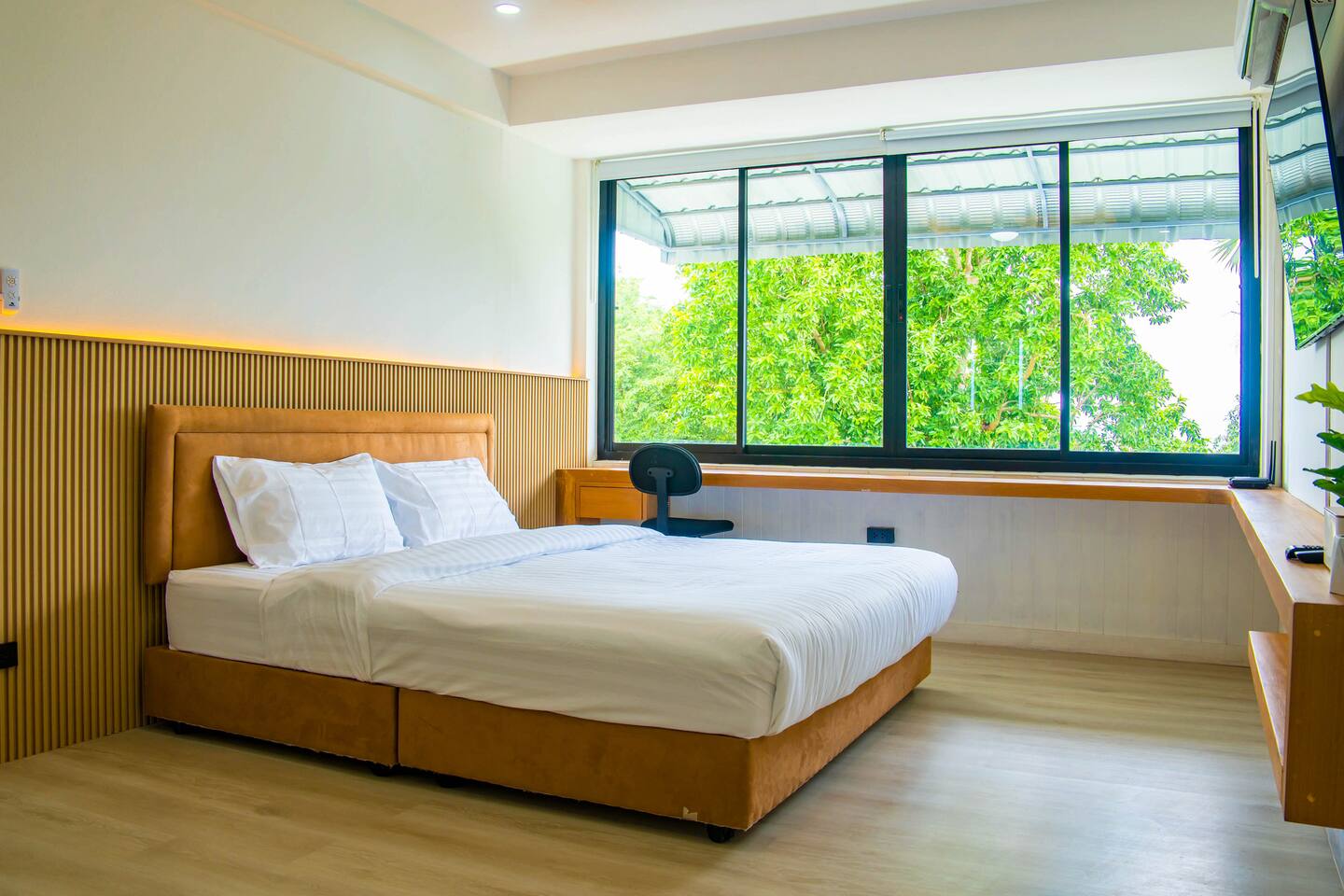
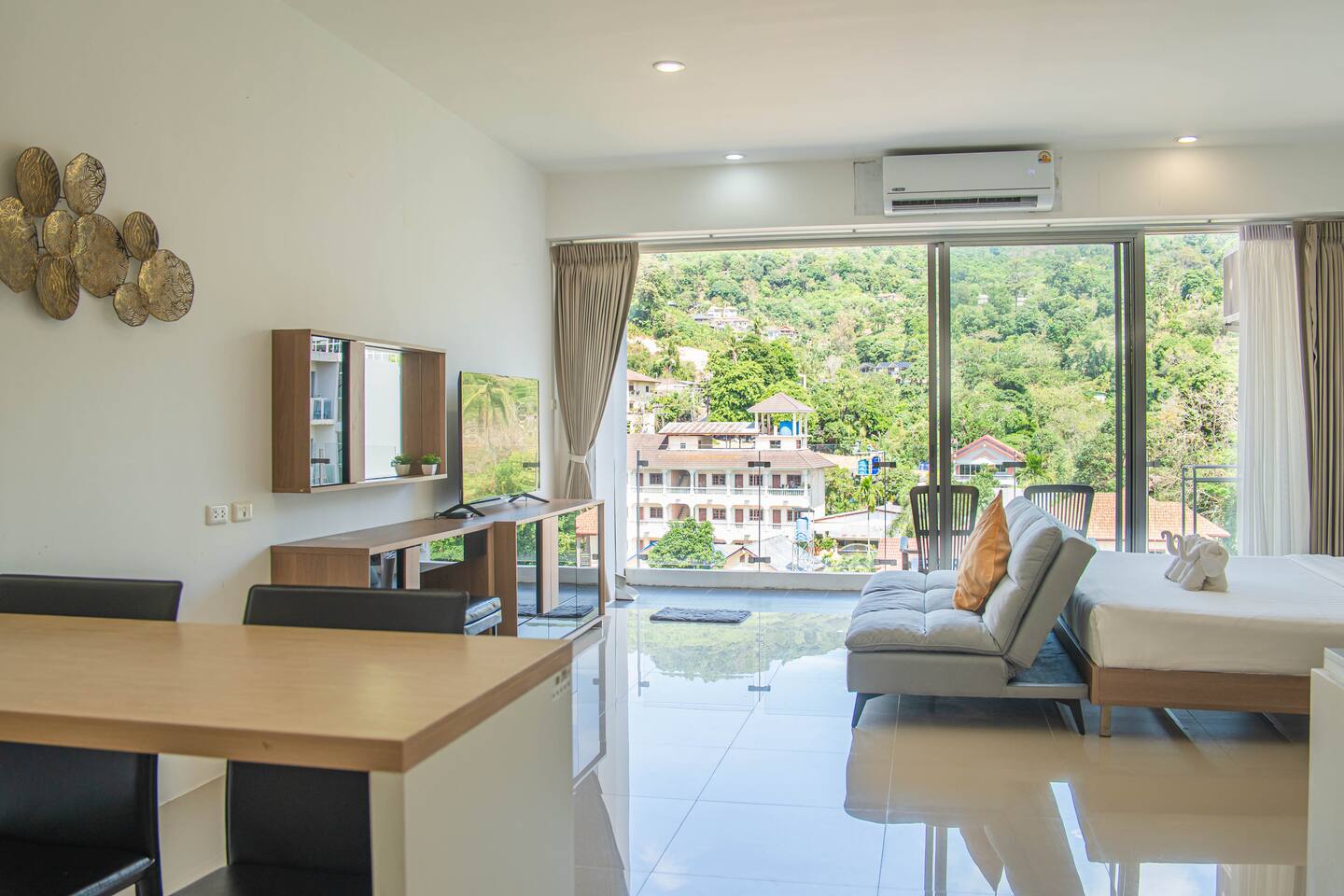
For a stay of several months, the two areas we rent in suit different routines: calm Rawai and beachy Karon. Our apartments are rented by the month with electricity, water and fast WiFi included, and stays of 84 nights or more get an automatic discount. See current availability.